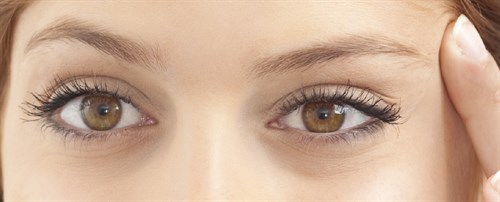
Upper eyelid surgery, also known as upper blepharoplasty, is often misunderstood as being purely cosmetic. In reality, many people consider this procedure because drooping upper eyelids begin to affect comfort, eye health, and everyday function.
This guide explains upper eyelid surgery with a focus on health, function, and wellbeing. At Purity Bridge, upper eyelid surgery is carried out by consultant surgeons Mr Marc Pacifico, Miss Nora Nugent, and Mr Ben Way following careful assessment and shared decision-making.
How Much Does Upper Eyelid Surgery Cost?
-
Why Costs Can Vary
The cost of upper eyelid surgery is not fixed, as no two patients have the same eyelid anatomy, symptoms, or clinical needs. In the UK, upper eyelid surgery typically ranges from around £2,500 to upwards of £7,500, depending on a number of factors.
Rather than being a simple, one-off intervention, upper eyelid surgery involves a structured clinical pathway designed to prioritise patient safety and long-term outcomes.
-
What the Cost Usually Covers
The overall cost of upper eyelid surgery typically includes the initial consultation and medical assessment, personalised surgical planning, use of a regulated operating theatre, anaesthesia and clinical monitoring, nursing care, and post-operative follow-up appointments.
This comprehensive approach ensures patients are supported throughout the process, not just on the day of surgery.
Factors That Influence Cost
-
Severity of Eyelid Drooping
Some patients experience mild excess skin, while others have more significant drooping that affects vision. Greater functional impact may require a more involved procedure, such as incorporating a brow lift.
-
Eyelid Anatomy and Skin Quality
Differences in skin elasticity, muscle strength, and fat distribution can influence surgical planning and operating time.
-
Surgeon Expertise and Clinical Team
Upper eyelid surgery at Purity Bridge is performed by experienced consultant surgeons such as Mr Marc Pacifico, Miss Nora Nugent, and Mr Ben Way. Their experience and training contribute to safe, carefully considered outcomes.
-
Considering Value From a Health Perspective
Although often grouped with cosmetic procedures, upper eyelid surgery can offer genuine health-related benefits. These may include reduced eyelid heaviness, improved comfort when reading or using screens, less eye fatigue, and improved awareness in the upper field of vision.
-
Ethical and Responsible Decision-Making
At Purity Bridge, surgery is only recommended when it is clinically appropriate. Patients are encouraged to take time to consider their options, ask questions, and make informed decisions without pressure.
Why Do People Have Upper Eyelid Surgery?
-
Functional Problems Caused by Drooping Eyelids
One of the most common reasons people seek upper eyelid surgery is that excess eyelid skin begins to interfere with normal eye function.
-
Reduced Field of Vision
When the upper eyelids droop, they can partially block the upper visual field. This may make everyday activities such as driving, reading signs, or walking downstairs feel more difficult or tiring.
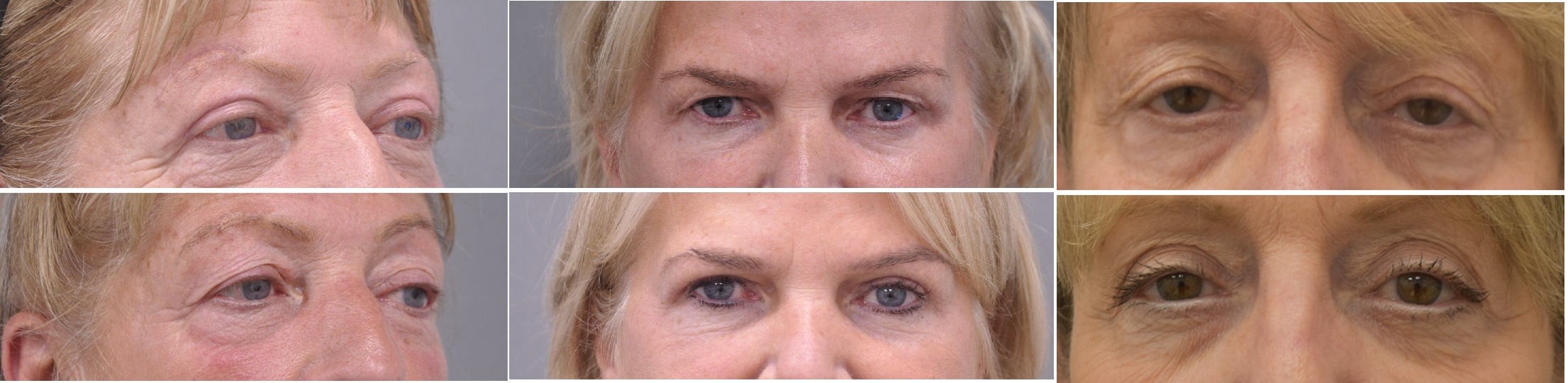
Upper eyelid surgery can help restore a clearer line of sight by removing excess skin that weighs down the eyelids.
-
Eye Strain and Fatigue
Heavy eyelids can place extra demand on the muscles around the eyes, particularly during prolonged concentration. Many patients report improved comfort during reading, computer use, or watching television for longer periods.
-
Forehead Tension and Headaches
Some people unconsciously raise their eyebrows to compensate for drooping eyelids. This constant muscle activation may contribute to forehead tension or tension-type headaches. Addressing the underlying eyelid issue can reduce the need for this compensatory effort.
-
Skin Irritation and Hygiene Issues
Excess eyelid skin can fold over itself, sometimes leading to trapped moisture, skin irritation, or difficulty maintaining eyelid hygiene. Surgical correction may improve skin health in some patients.
-
Psychological and Emotional Wellbeing
Upper eyelid surgery is not a treatment for emotional distress. However, physical comfort can influence confidence and social ease. Some individuals feel their eyes make them appear permanently tired or strained, even when they feel well.
-
Ageing and Genetic Factors
Drooping eyelids often develop gradually with age, but they can also be influenced by genetics. Surgeons assess whether symptoms are age-related, structural, or medical before recommending any intervention.
How Is Upper Eyelid Surgery Done?
Initial Consultation and Assessment
Upper eyelid surgery begins with a thorough consultation. This includes a review of medical history, discussion of symptoms and daily impact, and assessment of eyelid position and eye health. This ensures surgery is appropriate and safe.
Careful Surgical Planning
Before surgery, the surgeon marks the natural eyelid crease. This planning stage is essential to preserve eyelid movement, achieve a balanced functional result, and minimise visible scarring.
Anaesthesia and Patient Comfort
Upper eyelid surgery is usually performed under local anaesthetic, sometimes with sedation. Patients are monitored closely throughout to ensure comfort and safety.
The Surgical Procedure
The operation typically involves a fine incision placed within the natural eyelid crease, removal of excess skin, and occasionally small amounts of fat or muscle if clinically appropriate. The incision is then carefully closed to support healing and eyelid function.
The procedure usually takes between 45 and 90 minutes.
Recovery and Healing
It is normal to experience swelling and bruising in the first few days after surgery. Lubricating ointment may temporarily blur vision. Stitches are usually removed or dissolve within 5–10 days, with most swelling settling over several weeks. Final results continue to refine over a few months.
Understanding Risks and Long-Term Outcomes
As with all surgery, risks exist and are discussed openly. These may include infection, bleeding, or temporary eye dryness. Upper eyelid surgery does not stop the ageing process, but results are often long-lasting, and patients are advised on ongoing eye care and realistic expectations.
Surgical Care at Purity Bridge
Upper eyelid surgery at Purity Bridge is delivered by consultant surgeons Mr Marc Pacifico, Miss Nora Nugent, and Mr Ben Way. Care is focused on safety, function, and long-term wellbeing, with clear communication at every stage so patients feel informed and supported throughout their treatment journey.
Learn More About Eyelid Surgery at Purity Bridge, Tunbridge Wells
If you are considering eyelid surgery, whether for functional reasons such as comfort or vision, or for appearance-related concerns, choosing an experienced and appropriately qualified surgeon is essential. Eyelid surgery requires detailed anatomical knowledge, careful judgement, and a considered approach to patient care.
At Purity Bridge in Tunbridge Wells, eyelid surgery is performed by a team of experienced consultant surgeons including Mr Marc Pacifico, Miss Nora Nugent, and Mr Ben Way. Each brings extensive training and expertise, with a shared commitment to patient safety, clear communication, and responsible surgical decision-making.
